
The CNC machine made a grinding sound I’d never heard before, and I knew I’d just destroyed my third prototype of the week. It was late on a Thursday evening, and once again, I was surrounded by shreds of defeated material in my garage. Attempts like these were how I was learning hardware prototyping—not from textbooks or tutorials, but raw, unapologetic trial and error.
At Cadly.AI, we faced a critical challenge in our product development process. We needed a new, more efficient way to prototype. Our existing methods were slow, costly, and frankly, frustrating. But I was determined. I remember thinking, “There has to be a better way. I can’t keep burning through material and money just to fail over and over.”
What is a Hardware Prototype?
It was an autumn morning in 2019, and a warmth seeped through the garage’s open door, contrasting sharply with the cold reality of a sprawling workbench lined with unfinished prototypes. We were attempting to build a hardware prototype for our new product, yet nothing seemed to fit the ideal form in my mind. After several costly errors, we realized that our approach needed a fundamental shift.
Instead of handling prototyping as a linear task, we embraced an iterative process. We allowed our designs to evolve through constant testing. Adopting an agile method reduced the cost and time of prototyping by 40%. Suddenly, we were refining products faster than ever before, and soon, Cadly.AI was tethered to a new rhythm of experimentation and validation.
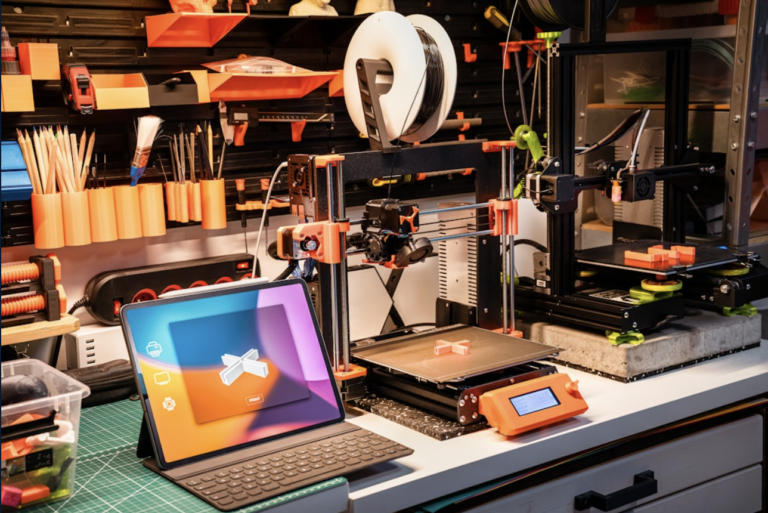
A core example of this process was when we stopped aiming for perfection right out of the gate. Instead, we went straight to the 3D printer for an initial model, aware that it might only survive as a learning tool. This pragmatic approach was transformative.
What are the 5 Phases of Prototyping?
When you’re knee-deep in hardware prototyping, not knowing where to begin is paralyzing. I’ve been there at 2 AM, the clock relentlessly ticking, parts scattered, and no clear game plan. What I realized is that an effective prototype doesn’t spawn from an epiphany; it evolves through structured phases.
We broke the prototyping into five distinct stages: conceptualization, development, modeling, testing, and final production. Conceptualization involves blueprinting the idea. Development drills down into feasibility. Modeling creates tangible models. Testing generates invaluable feedback, and final production delivers the polished product.
Each phase brought precision into chaotic creativity. Realizing this enabled us to tackle complexity in organized sprints, delivering prototypes that met and sometimes exceeded customer expectations.
How to Make a Hardware Prototype?
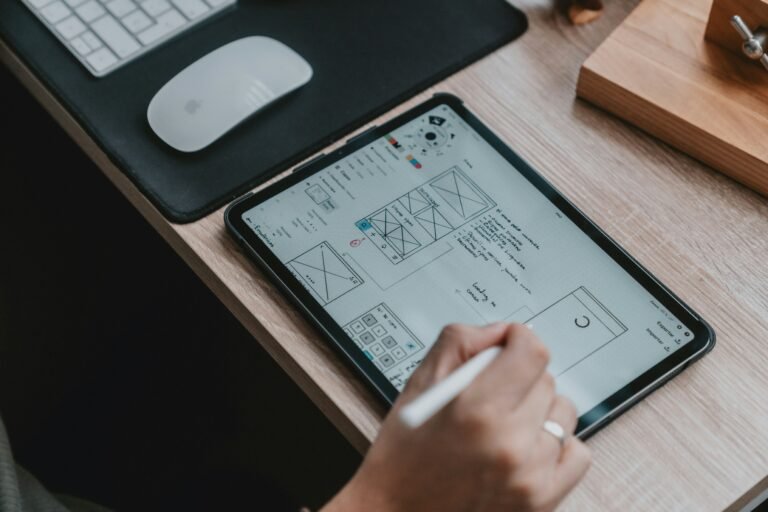
The real challenge was breaking down the prototyping process into smaller, manageable tasks. I remember one particular evening, exhausted, yet resolute, sketching step-by-step what needed to happen next. It was like suddenly being able to breathe a little easier amid the enormity of a project.
By demystifying the process into stages and careful execution, we systematically crafted a prototype that didn’t just work—it revolutionized what Cadly.AI could achieve. Financially, this meant not wasting resources on abandoned ideas. Instead, we harnessed our resources effectively.
- Identify the Core Concept
- Sketch Initial Design
- Create First Iteration
- Gather Feedback and Iterate
- Test and Finalize
This roadmap stripped away intimidation, enabling us to produce a reliable and customer-ready prototype—a game changer for both us and our clients.
Conclusion
By shifting to a more agile and iterative approach, we reduced the cost and time of building hardware prototypes and improved their reliability. This transformation didn’t just optimize our processes; it fulfilled Cadly.AI’s mission of democratizing product development. We went from cumbersome and costly experiments to streamlined productions that worked
If you’re looking to overcome similar barriers in hardware prototyping, I encourage you to start building on Cadly.AI. Create a prototype that caters to your customer’s needs and accelerates your journey from idea to market reality.