

Let Cadly manufacture & sell it for you — completely free.
Upload your idea and tap into Cadly’s crowd-sourced designers and makers today.
Introduction
Learning to build hardware without manufacturing minimums can seem daunting, but with the right approach, you can save time and resources. As customization and rapid prototyping rise as industry standards, the ability to produce without manufacturing minimums has become a must for businesses and budding entrepreneurs alike. In this guide, we aim to break down the steps from starting hardware design to uploading CAD designs to Cadly, and overcoming the common hurdles many face in this journey.
TL;DR
This guide covers the essentials of designing hardware without minimum order quantities, highlighting CAD software, the process of uploading to Cadly, and how to avoid common pitfalls. The practical insights offered here are drawn from extensive experience in helping creators bring products to life.
Understanding the Basics
In the realm of hardware design, understanding the fundamentals is pivotal. It begins with appreciating the significance of CAD software, designed to enhance ideas through precision modeling and simulation. Important as CAD is the concept of ‘Design for Manufacturability’ (DFM), ensuring your designs are practically viable for production. As we’ve observed through working with countless creators, neglecting DFM can lead to costly redesign phases.
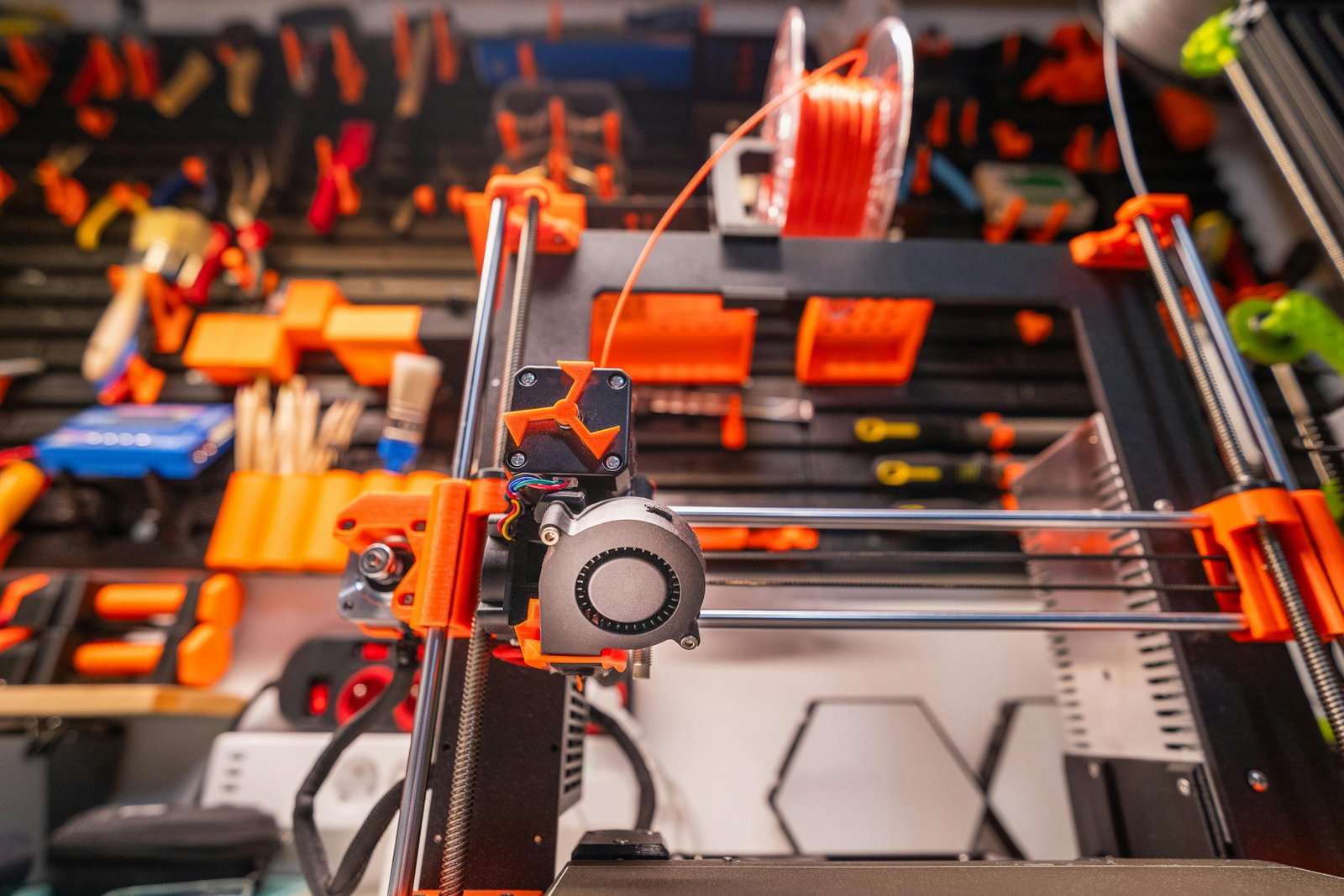
Moreover, the role of 3D printing in rapid prototyping can’t be understated. Imagine designing a new electronic device; without prototyping, you’re flying blind, hoping the end-product aligns perfectly with your digital model. However, we’ve seen how 3D printing allows for quick iterations, saving creators thousands in potential rework costs. Understanding these elements provides the necessary framework to build hardware without hefty minimums.
How to Start Hardware Design
The journey of hardware design begins with selecting the right CAD software. From options like FreeCAD, which offers a zero-cost entry point, to professional tools like SolidWorks, the right choice impacts not only design quality but also ease of learning and future scalability.
For example, when designing a consumer gadget, the detailed components need precise measurement and accuracy. CAD software enables this through detailed schematics and drag-and-drop functionality, transforming abstract ideas into tangible plans.
The beauty of CAD lies in its versatility. Whether you’re crafting mechanical parts or molding carbon-fiber components, the application is broad and penetrating. Thus, equipping yourself with the right tools prepares the groundwork for success, empowering the transformation from idea to physical model.
Uploading CAD Designs to Cadly
Getting your CAD designs ready for the manufacturing phase involves a critical step: uploading to platforms like Cadly. This involves ensuring your files are appropriately formatted—typically in STL or OBJ for 3D models—and optimized for process efficiency.
Once uploaded, Cadly’s interface guides you through quality checks imperative to preserving the integrity of your design. It’s a relief to know that these measures prevent costly defects—which we’ve seen ruin more than one project at other stages.
Moreover, Cadly provides invaluable feedback on your uploads, offering insights on material suitability and potential cost savings strategies. This hands-on guidance escalates your project from concept to creation with a heightened assurance of quality controls in place.
Advanced Techniques and Pro Tips
Diving deeper into advanced techniques, the selection of materials and design for assembly (DFA) principles can significantly streamline manufacturing. Material selection can impact both durability and cost; using the optimal materials for your widgets, for instance, may considerably enhance performance while reducing overall expenditure.
Similarly, DFA allows for simplified assembly processes, translating into quicker production times and lower manufacturing costs. One creator we worked with reduced assembly time by 30% simply by optimizing their electronic enclosure design.
By applying these advanced concepts, creators can refine and polish their projects, moving beyond basic prototypes to professional-grade products with ease.
Common Mistakes to Avoid
Even in a streamlined process, errors can creep in. Common pitfalls we’ve observed include overlooking the importance of design testing or choosing the wrong materials—like using brittle thermoplastics in stress-heavy applications.
Ensuring frequent communication with manufacturers can prevent misunderstandings and production of off-spec components. We’ve witnessed projects stay on schedule because creators asked questions early in the design phase rather than too late in production.
Avoiding such mistakes not only ensures quality but also preserves both time and money, taking your designs from risky to robust.
Conclusion
Mastering how to build hardware without manufacturing minimums is not only achievable but also opens up vast opportunities for innovation and customization. By understanding the essentials of hardware design, efficiently using CAD software, and utilizing our platform, you can approach manufacturing without the constraints of high-volume mandates.
To start your journey of hardware innovation, visit start building on Cadly.AI. Here, you can take your product concepts from sketches to concrete plans and further onto production.
So, are you ready to break down the barriers and create without limits?
Let Cadly manufacture & sell it for you — completely free.
Upload your idea and tap into Cadly’s crowd-sourced designers and makers today.