

Introduction
The fundamentals of prototyping consumer products involve several critical components, including market research, design iteration, and testing and refinement. Understanding these components is essential for creating a successful product. After working extensively with a variety of creators, from entrepreneurs to established manufacturers, we’ve seen firsthand how a structured prototyping process can transform an initial concept into a market-ready product.
However, many step into this phase with misconceptions, believing prototyping is less about thoroughness and more about quick execution. Others underestimate the importance of each stage, particularly the nuanced interplay between design and feedback cycles. In this guide, we’re diving deep into the nuances of the prototyping process—a roadmap for translating ideas into tangible consumer products while sidestepping the most common pitfalls.
Understanding the Basics
Prototyping is the preliminary model of a product, serving as an early sample to test a concept. It helps identify potential issues and areas for improvement. From our experience with hundreds of product creators, meaningful prototyping can save not only time but significant resources. A well-executed prototype allows developers to evaluate the design, functionality, and user experience before mass production.
For example, consider a consumer electronics company that disrupted the market with a sleek new gadget. Their key to success? Rigorous prototyping that accounted for everything from circuitry to ergonomic design before finalizing their product configuration.
Key Components and How They Work
The prototyping process can be broken down into three pivotal components: market research, design iteration, and testing and refinement. Each plays a crucial role in ensuring the final product meets user needs and market demands.
Market research begins early, guiding design and feature decisions. Understanding your market can direct which features are crucial versus those that can be shelved. As you iterate on your design, user feedback should be integral, prompting refinements. For example, a startup footwear company used continual tester feedback to refine the comfort and style of their line, resulting in a well-received launch.
Testing is not a one-time event but an ongoing cycle. Each prototype iteration is an opportunity to learn. Incorporate feedback carefully and refine your product until it not only meets but exceeds expectations.
Platforms to Use for Prototyping
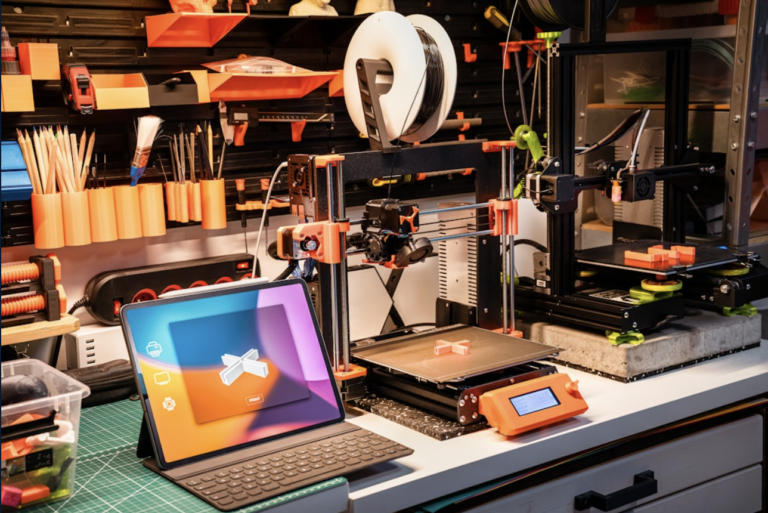
When delving into the prototyping arena, tools like CAD software and 3D printing have become the backbone of modern design work. CAD platforms help convert an idea into a virtual 3D model, allowing detailed viewings from all angles before any physical model is created. This digital precursor is both cost-effective and time-saving.
3D printing further brings these models to life, allowing you to test with a tangible item. Each platform, from TinkerCAD to SolidWorks, provides differing features—some focus on ease of use while others emphasize complex capability. We’ve seen these tools empower creators to iterate swiftly, adapting features based on user feedback and market demands without needing significant re-investment each time.
How to Research Markets for Products
Market research is foundational to developing products that resonate with consumers. It involves gathering insights about customer preferences, industry trends, and competitor strategies. One effective technique is to start with surveys and focus groups, gathering quantitative and qualitative data directly from potential users.
Analyzing competitors is equally crucial. By understanding their offerings, pricing strategies, and consumer feedback, you can carve out a niche or uncover shortcomings in existing products. A toy company we worked with used meticulous market research to identify an underserved demographic, resulting in a successful product line tailored to specific consumer needs.
Advanced Techniques and Pro Tips
As you refine your prototypes, consider leveraging advanced techniques. Experiment with different materials, refine functionalities using parametric design, or apply advanced analytical tools like finite element analysis to test durability. Each of these can enhance how well your prototype performs under real-world conditions.
Don’t hesitate to push boundaries. We’ve seen creators use unconventional materials or structures to create stunningly unique products that set new standards. Sometimes, it’s this deviation from the norm that leads to breakthroughs.
Common Mistakes to Avoid
Through thousands of prototyping journeys, the missteps often repeat. Skipping market research, ignoring user feedback, or rushing to finalize a design can be costly. We’ve encountered creators who, eager to launch, overlooked crucial design flaws, resulting in expensive recalls or redesigns.
Prototyping isn’t about speed; it’s about precision. The time invested in testing and refining can ensure your product stands up to market demands and consumer expectations.
Troubleshooting and Solutions
Even the most meticulously planned prototyping process can hit roadblocks—materials might fail under stress tests, or designs may require unexpected refinements. Always tackle issues with a team approach, leveraging diverse expertise to address technical hurdles thoughtfully.
For batch-production issues, considering small runs to test manufacturing processes before scaling can prevent costly mistakes. Use the insights gained to adjust molds, materials, or processes, ensuring smoother production runs.
Conclusion
In summary, the journey from idea to product is an intricate dance of research, design, and iteration. At Cadly.AI, we believe in empowering creators with the tools and networks needed to succeed. By accessing our Cadly Shop, creators can connect with makers who understand the nuances of bringing a product to life.
Remember, detailed planning not only mitigates risks but also enhances creativity. We urge you to view each prototype not as a finished entity but as a stepping stone toward a refined, market-ready product.
Let Cadly manufacture & sell it for you — completely free.
Upload your idea and tap into Cadly’s crowd-sourced designers and makers today.