
TL;DR: This post covers the basics of hardware prototyping, including examples and a step-by-step guide on how to create a prototype, and provides options for getting started with building a hardware prototype.
What is a hardware prototype?
A hardware prototype is a tangible representation of a physical product or device, used to test, validate, and refine its design, functionality, and performance. It’s an essential step in the product development process, allowing creators to identify and fix issues before investing in mass production.
Hardware prototyping involves creating a scale model or a working prototype of a product, which can be made from various materials, such as cardboard, 3D printed plastics, or metal. The prototype can be used to test the product’s usability, durability, and overall user experience.
What is an example of a prototype?
A simple example of a prototype is a smartphone case. A manufacturer might create a prototype of a new smartphone case design to test its fit, durability, and aesthetics. The prototype can be made from a variety of materials, such as 3D printed plastic or silicone, and can be tested with different types of smartphones to ensure compatibility.
Another example is a prototype of a smart home device, such as a thermostat or a security camera. The prototype can be used to test the device’s functionality, user interface, and connectivity with other smart devices.
How to create a prototype for hardware?
Creating a prototype for hardware involves several steps, including:
Defining the product requirements and specifications, creating a detailed design and blueprint, selecting the materials and manufacturing process, and testing and refining the prototype.
The first step is to define the product requirements and specifications, including its functionality, size, weight, and material. This information will guide the design and development process.
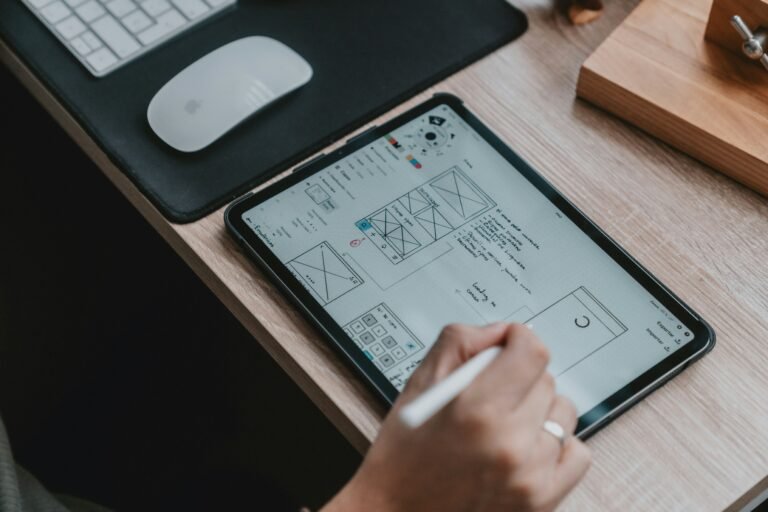
Next, create a detailed design and blueprint of the product, using computer-aided design (CAD) software or other design tools. The design should take into account the product’s functionality, aesthetics, and manufacturability.
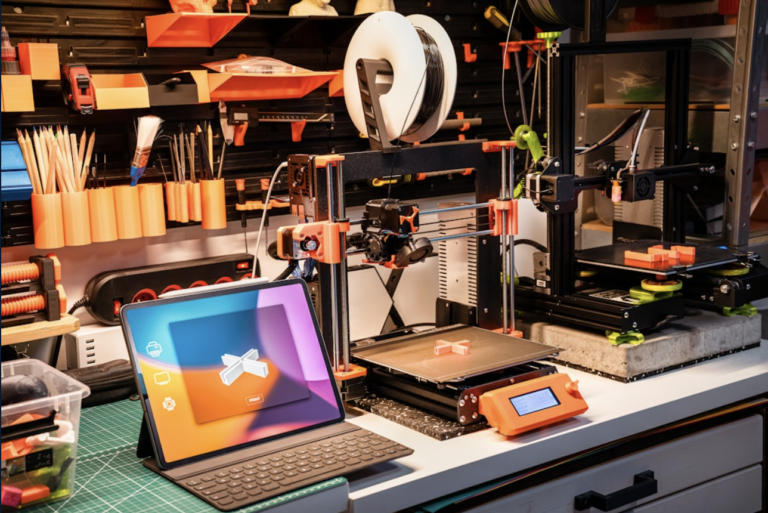
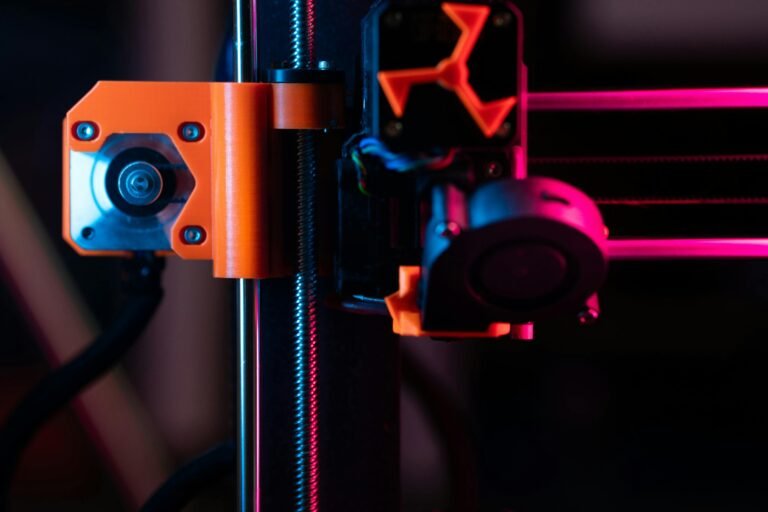
Once the design is complete, select the materials and manufacturing process for the prototype. This can include 3D printing, CNC machining, or injection molding, depending on the product’s complexity and requirements.
Finally, test and refine the prototype, making any necessary adjustments to the design, materials, or manufacturing process.
To get started with building a hardware prototype, you can explore various options, such as working with a contract manufacturer, using online prototyping platforms, or investing in in-house prototyping equipment. Alternatively, you can validate your idea without the overhead and bulk manufacturing by using services like Cadly, which offers a range of tools and resources for creators and makers. You can also visit Cadly Shop to discover and purchase innovative products from independent creators. By leveraging these resources, you can turn your idea into a reality and bring your product to market quickly and efficiently. For more information on how to get started, visit Cadly.Ai today.